Dark Tourism in Malaysia
Malaysia sits at the crossroads of East and West, with a history shaped by diverse cultures, colonial encounters, war, and natural disasters. Alongside its vibrant heritage and natural beauty lies a darker side — sites of tragedy, suffering, and memory. Yet, unlike many countries that actively preserve and promote such places, Malaysia’s dark tourism remains underdeveloped and often overlooked.
An Untapped Potential
Across Malaysia, there are more than 250 sites connected to war, tragedy, disaster, and haunting stories. From memorials linked to World War II to abandoned colonial buildings and forgotten cemeteries, these places carry powerful stories of the nation’s past. However, many remain hidden, poorly marked, or promoted mainly as “spooky” attractions rather than valuable historical and cultural landmarks.
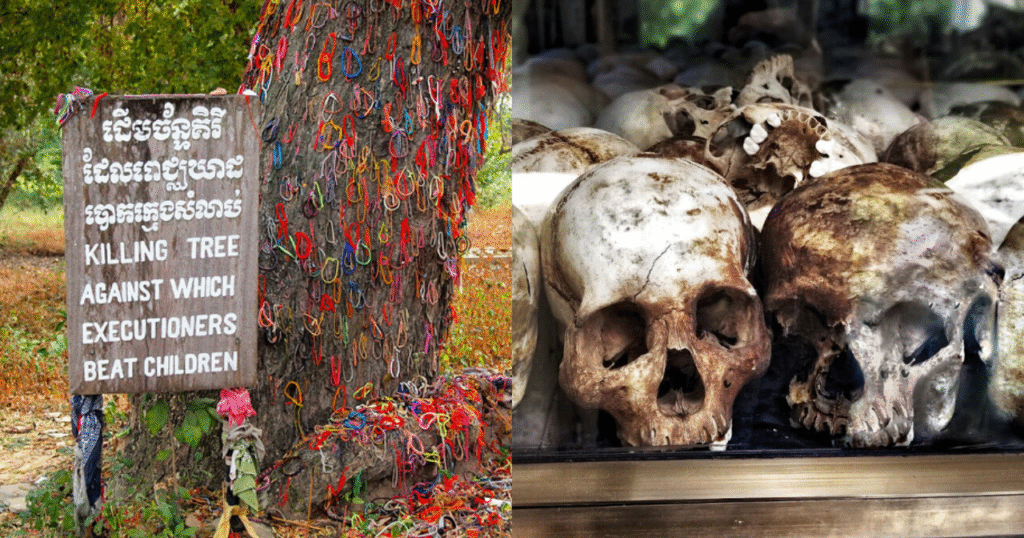
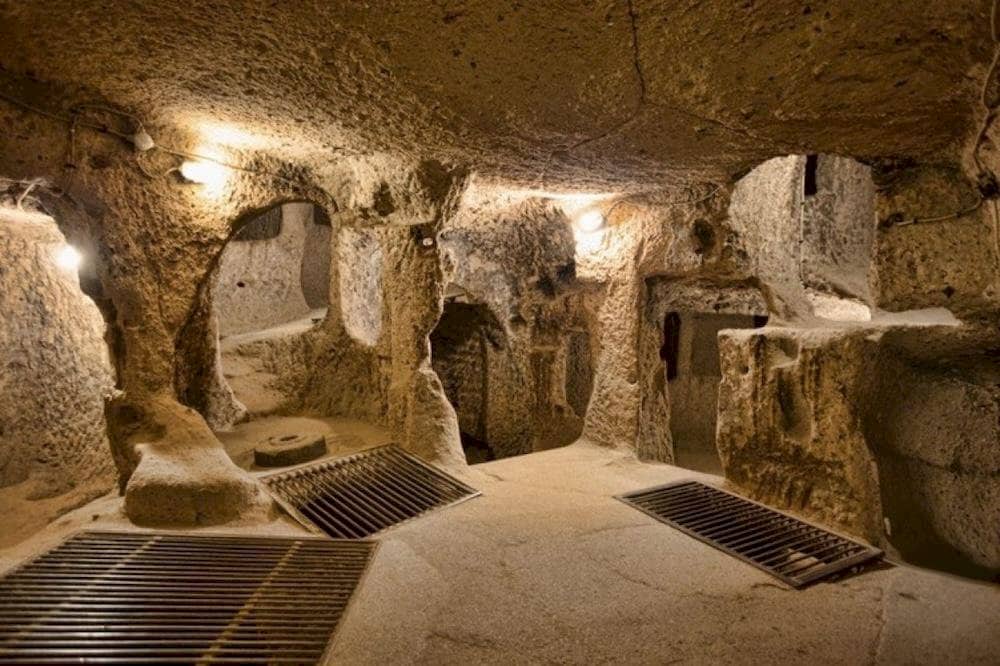
While other countries have embraced dark tourism — turning sites like the Cu Chi Tunnels in Vietnam or the Killing Fields in Cambodia into globally recognized destinations — Malaysia has yet to fully recognize the potential of its own. Visitors often rely on blogs, travel forums, and word-of-mouth rather than official information, which limits the educational and commemorative value of these experiences.
Missed Opportunities
Some of Malaysia’s most notable dark heritage sites — such as the Penang War Museum or the Sandakan-Ranau Death March trail — already attract local and international visitors. Yet, they lack the infrastructure, interpretation, and government support that could elevate them into important heritage destinations. In comparison, sites like the Cu Chi Tunnels in Vietnam are heavily promoted, well-serviced with guides, facilities, and information, and considered a “must-see” for anyone visiting the country.
Instead, Malaysian dark tourism attractions are too often framed in sensational ways — described as “haunted,” “spooky,” or “eerie” — rather than respected for their historical value. This framing risks reducing them to entertainment, rather than opportunities for reflection and learning.
Shaping Public Memory
Part of the challenge lies in how dark sites are presented. In today’s media-driven world, tragedies and heritage are often shaped by the stories we hear about them — whether through social media, news, or popular culture. In Malaysia, narratives around dark sites tend to emphasize ghosts and mystery, rather than history and heritage. This contributes to a perception of dark tourism as taboo or deviant, rather than as part of a shared past worth preserving.
A Way Forward
Malaysia’s dark tourism sites represent more than curiosity or folklore. They are part of the nation’s story — witnesses to colonial struggles, wartime suffering, natural disasters, and cultural traditions around death. To unlock their potential, they need careful development: proper management, accurate interpretation, respectful storytelling, and thoughtful promotion.
By reframing these places as spaces of remembrance, learning, and cultural identity, Malaysia can position itself alongside other Southeast Asian nations that have embraced dark tourism. More importantly, it can help Malaysians themselves reconnect with their own layered history — not only the triumphs, but also the tragedies that shaped the nation.

Key examples of dark tourism in Malaysia
While many sites remain underdeveloped, a number of locations stand out for their historical and cultural significance. Together, they illustrate the richness of Malaysia’s dark heritage — and the challenges of how these places are remembered, managed, and presented today.
War & Battlefields - Sites of past conflicts — from Waterloo in Belgium to the Cu Chi Tunnels in Vietnam. These places invite visitors to reflect on the causes and consequences of war.
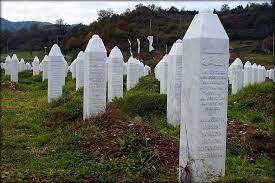
Genocide Sites - Places of mass killing, such as the Killing Fields in Cambodia or memorials in Rwanda and Bosnia, serve as powerful reminders of humanity’s darkest chapters.
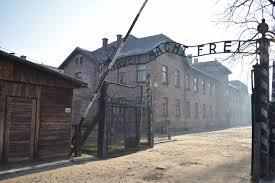
Holocaust Memorials - Concentration camps like Auschwitz-Birkenau in Poland bear witness to the atrocities committed during World War II. Today, they stand as sites of remembrance and education.
Colonial and Abandoned Heritage
While many sites remain underdeveloped, a number of locations stand out for their historical and cultural significance. Together, they illustrate the richness of Malaysia’s dark heritage — and the challenges of how these places are remembered, managed, and presented today.
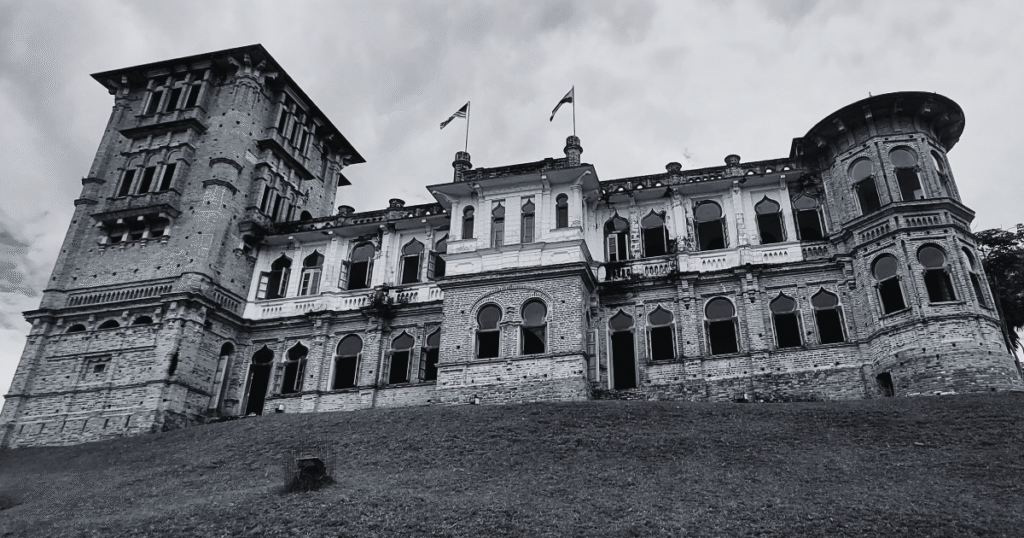
Kellie’s Castle (Perak)
An unfinished colonial mansion with a tragic backstory. While widely promoted as “eerie” and “haunted,” it is also a valuable reminder of Malaysia’s colonial past.
Pudu Jail (Kuala Lumpur) (now demolished)
Once one of Malaysia’s most notorious prisons, it held both criminals and political prisoners. Its demolition sparked debates about heritage preservation and memory loss.
Villa Nabila (Johor Bahru)
An abandoned mansion overlooking Danga Bay, shrouded in mystery and local legends. Though fenced off today, it reflects how folklore often overshadows historical value.
Jerejak Island (Penang)
A site layered with history: once a quarantine station and later a prison. It embodies themes of suffering, isolation, and resilience, though it is only slowly being rediscovered.
Cemeteries and Social Histories
Old Protestant Cemetery (Penang)
Dating back to colonial times, it is the resting place of several prominent figures, including Captain Francis Light, the founder of Penang.
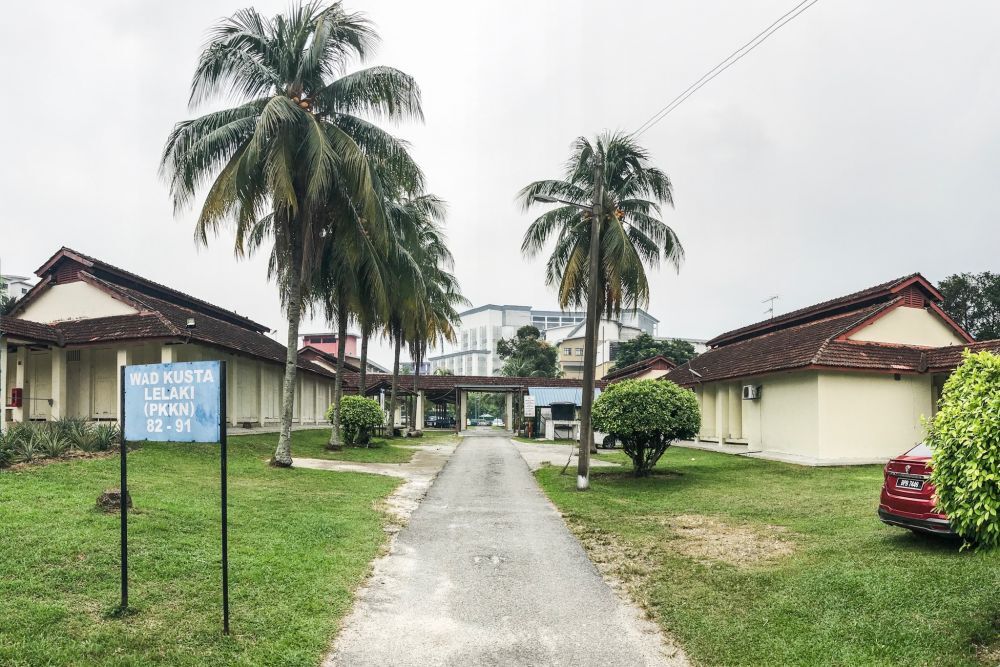
Sungai Buloh Leprosy Settlement (Selangor)
Once among the largest leprosy colonies in the world, it reflects both the suffering and resilience of those marginalized by illness in the past.
These examples show the diversity of dark tourism in Malaysia: from wartime battlefields and colonial relics to abandoned mansions, prisons, cemeteries, and forgotten settlements. Each site has the potential to move beyond sensational storytelling and become a meaningful space of memory, reflection, and heritage preservation.