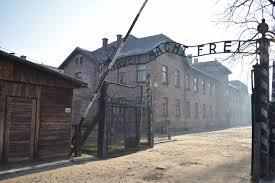
What is Dark Tourism ?
What is Dark Tourism?
Dark tourism is the act of visiting places associated with death, tragedy, and the darker chapters of human history. It is not about seeking shock or thrill, but about engaging with the past — reflecting on human resilience, the consequences of conflict, and the stories that shape societies.
At its heart, dark tourism asks us to look beyond beautiful landscapes and monuments, and to also acknowledge the pain, loss, and struggles that are part of our shared heritage.
And if the idea feels unusual, consider this: how many times have you visited a battlefield, a memorial, a cemetery, or even a museum exhibit about war? Chances are, you’ve already had a “dark tourist” moment without labeling it as such. Almost everyone has. That’s because engaging with history — even its most difficult parts — is a natural part of how we travel, learn, and remember.
A tradition older than we think
Though the term dark tourism only entered academic vocabulary in the 1990s, the practice itself is far older. For centuries, people have traveled to witness or remember events of death and tragedy.
- In ancient Rome, crowds filled the Colosseum to watch gladiatorial games — spectacles of combat and death.
- The ruins of Pompeii, destroyed in 79 AD, have drawn visitors since their rediscovery, including Victorian-era tourists who toured its preserved bodies.
- After the Battle of Waterloo (1815), travelers began visiting the battlefield as early as the following year, a practice that continues to this day.
- In 19th-century Paris, even the city’s mortuary was a stop on guided tours — an early version of what fascinates modern audiences at exhibitions like Body Worlds.
In fact, some of the earliest “dark tourists” may have been pilgrims, traveling to sacred sites connected with martyrdom, relics, or the deaths of religious figures. However, it’s important to remember that not all historical landmarks or pilgrimage destinations fall under the category of dark tourism. While some overlap exists, many such sites are primarily visited for their cultural, religious, or historical significance rather than their associations with death or tragedy.
These examples remind us that while the label is new, the impulse behind dark tourism — to confront, remember, and even learn from death — has always been with us.
Types of Dark Tourism
Dark tourism can take many forms. Scholars and travelers often describe it through different categories, depending on the type of site and its history.
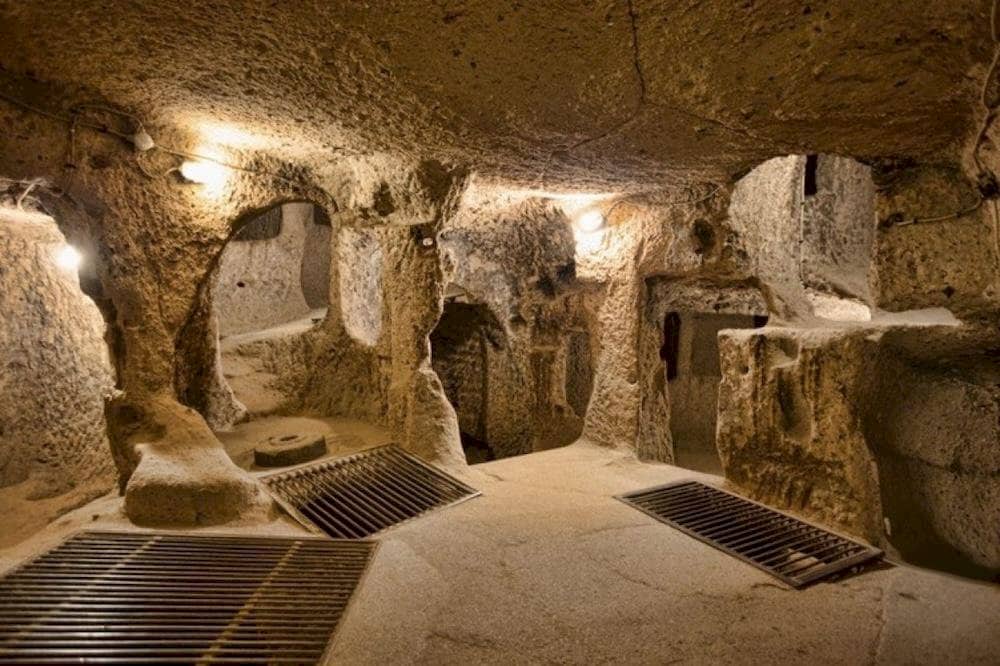
War & Battlefields - Sites of past conflicts — from Waterloo in Belgium to the Cu Chi Tunnels in Vietnam. These places invite visitors to reflect on the causes and consequences of war.
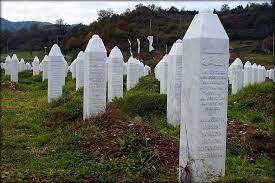
Genocide Sites - Places of mass killing, such as the Killing Fields in Cambodia or memorials in Rwanda and Bosnia, serve as powerful reminders of humanity’s darkest chapters.